Frill Ride Hydrangea: The Showstopping Shrub That Will
Frill Ride Hydrangea: The Showstopping Shrub That Will
If you're looking for a showstopping shrub that will add a touch of elegance and charm to your garden, look no further than the Frill Ride hydrangea. This stunning plant is known for its large, frilly blooms that come in a variety of colors, including pink, red, and blue.
In this blog post, we'll take a closer look at the Frill Ride hydrangea, including its history, features, and care requirements. We'll also share some tips on how to plant and maintain this beautiful shrub.
History of the Frill Ride Hydrangea
The Frill Ride hydrangea was first introduced in 2012 by Bloomin' Easy, a company that specializes in breeding and selling new and improved hydrangea varieties. The plant was created by crossing two other hydrangeas, the 'Nikko Blue' and the 'Pink Diamond.'
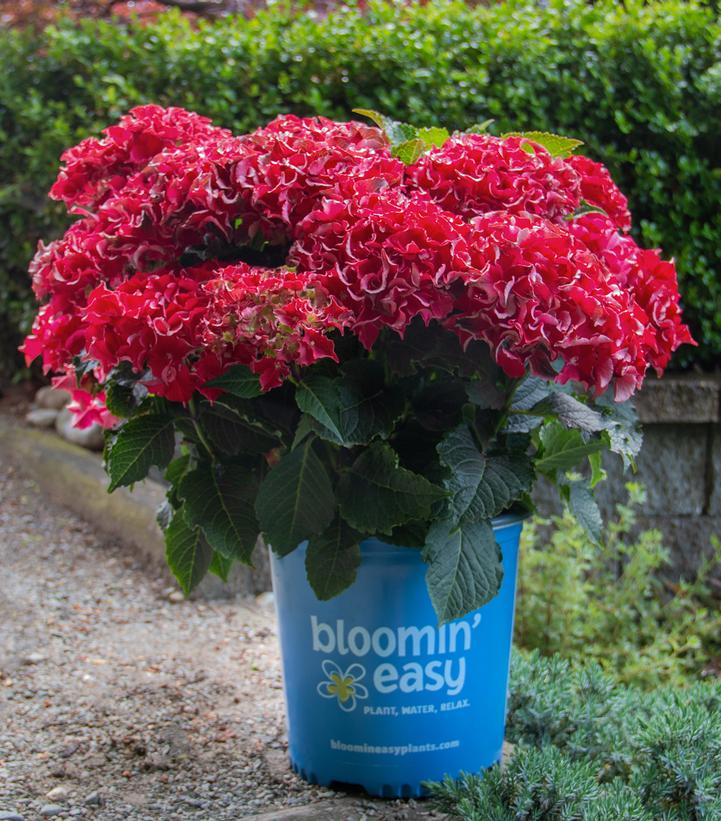
The Frill Ride hydrangea quickly became a popular choice among gardeners thanks to its unique and eye-catching flowers. The blooms are large and frilly, with a wavy edge that gives them a delicate appearance. The color of the blooms can vary depending on the soil pH, but they are typically pink or red.
Features of the Frill Ride Hydrangea
In addition to its beautiful flowers, the Frill Ride hydrangea also has a number of other attractive features. The plant is compact and well-rounded, with a height of 2-3 feet and a spread of 3-4 feet. The leaves are dark green and glossy, and they provide a nice backdrop for the flowers.
The Frill Ride hydrangea is also a reblooming plant, which means that it will bloom twice in a season. The first flush of blooms typically occurs in late spring or early summer, and the second flush blooms in late summer or early fall.
Care Requirements for the Frill Ride Hydrangea
The Frill Ride hydrangea is a relatively easy plant to care for. It prefers full sun to partial shade, and it needs well-drained soil. The plant should be watered regularly, but it is important to avoid overwatering.
The Frill Ride hydrangea does not require a lot of fertilizer. A light application of fertilizer in the spring will help to promote blooming.
Tips for Planting and Maintaining the Frill Ride Hydrangea
When planting a Frill Ride hydrangea, choose a location that receives full sun to partial shade. The soil should be well-drained, and it is a good idea to amend the soil with compost or peat moss.
Water the plant regularly, especially during the first year after planting. Once the plant is established, it will need less water.
Fertilize the plant in the spring with a light application of fertilizer. A balanced fertilizer, such as 10-10-10, will work well.
Prune the plant in the late winter or early spring. Remove any dead or damaged branches, and thin out the plant to promote air circulation.
Conclusion
The Frill Ride hydrangea is a beautiful and versatile plant that can add a touch of elegance to any garden. With its large, frilly blooms and compact growth habit, this shrub is a great choice for small spaces. The Frill Ride hydrangea is also relatively easy to care for, making it a good choice for even the most novice gardener.
The frill ride hydrangea is a beautiful and unique flower that is sure to add a touch of elegance to any garden. These flowers are known for their large, cascading blooms that come in a variety of colors, including blue, pink, and white. Frill ride hydrangeas are also relatively easy to care for, making them a great choice for even the most novice gardener.
If you are interested in learning more about frill ride hydrangeas, I encourage you to visit . This website has a wealth of information about these flowers, including their history, care requirements, and planting tips. You can also find beautiful photos of frill ride hydrangeas in bloom on this website.
FAQ of frill ride hydrangea
Question 1: What is a frill ride hydrangea?
Answer: A frill ride hydrangea is a type of hydrangea that is known for its large, showy blooms. The blooms are typically white or pink, and they have a cascading, frilled appearance. Frill ride hydrangeas are relatively easy to care for, and they make a beautiful addition to any garden.
Question 2: What are the best growing conditions for a frill ride hydrangea?
Answer: Frill ride hydrangeas prefer full sun to partial shade. They also prefer moist, well-drained soil. If you live in an area with hot summers, you may need to water your frill ride hydrangea more frequently.
Question 3: How do I fertilize a frill ride hydrangea?
Answer: You should fertilize your frill ride hydrangea in the spring and fall. Use a balanced fertilizer, such as 10-10-10, and follow the directions on the label.
Question 4: How do I deadhead a frill ride hydrangea?
Answer: You should deadhead your frill ride hydrangea after the blooms have faded. This will encourage new blooms to form. To deadhead, simply pinch or cut off the spent blooms.
Question 5: How do I overwinter a frill ride hydrangea in cold climates?
Answer: If you live in a cold climate, you may need to overwinter your frill ride hydrangea. To do this, cut the plant back to about 6 inches in the fall. Then, mulch the plant with a thick layer of organic matter, such as leaves or straw. This will help to protect the roots from the cold.
Image of frill ride hydrangea


Post a Comment for "Frill Ride Hydrangea: The Showstopping Shrub That Will"